
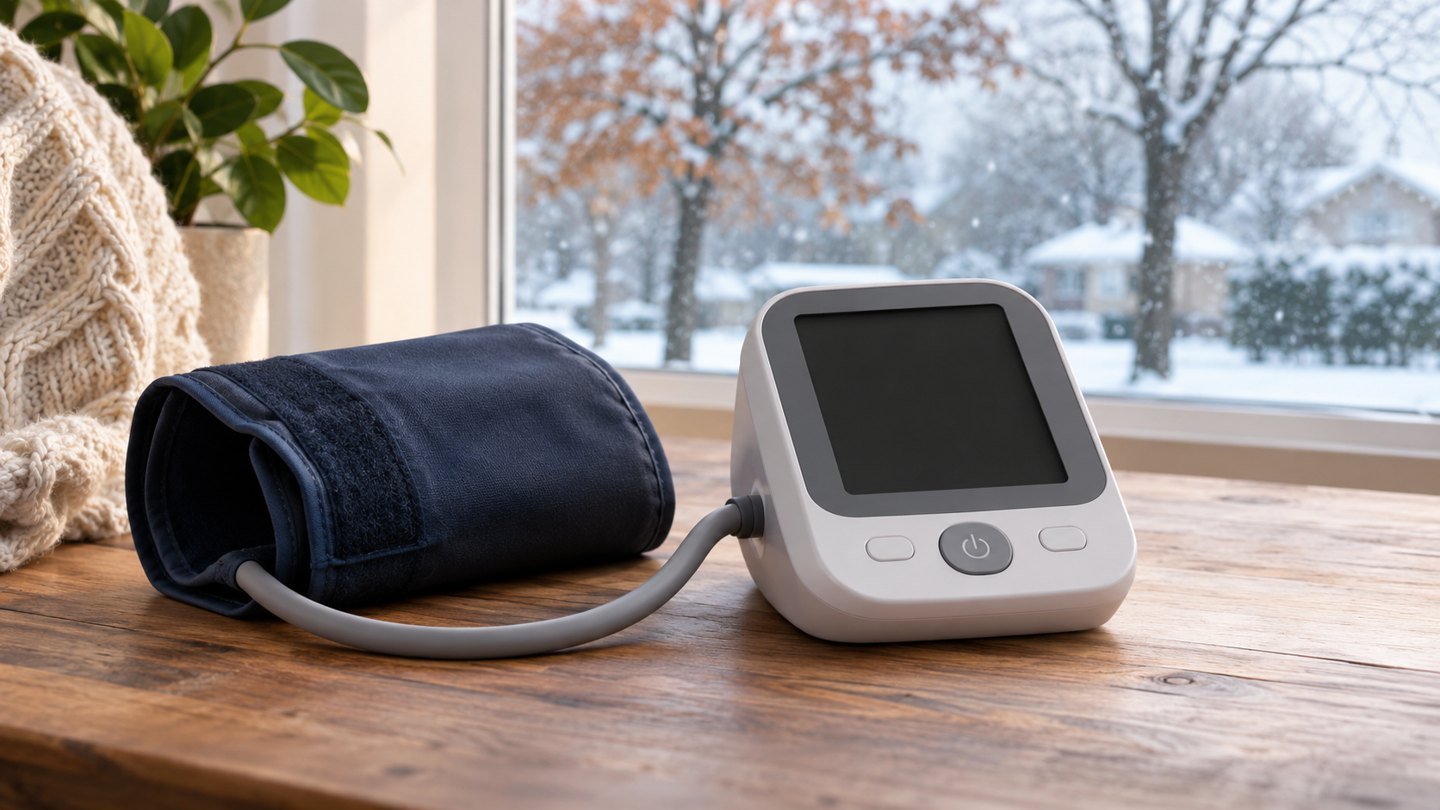
This article explains normal blood pressure by age in Canada, how Calgary winters may influence readings and when to seek a primary care assessment. It is general education, not individualized medical advice.
What Do the Two Blood Pressure Numbers Mean?
Blood pressure is measured in millimetres of mercury (mm Hg). The systolic number measures pressure when the heart contracts; the diastolic number measures pressure between heartbeats. Activity, stress, sleep, temperature, caffeine and other factors can affect a reading. A single result is a snapshot, not a diagnosis.
Normal Blood Pressure by Age in Canada
There is no reliable decade by decade chart in which higher blood pressure automatically becomes normal with age. The adult diagnostic threshold does not simply rise as people get older. For a broader explanation, see our normal blood pressure by age in Canada guide.
| Age group | General Canadian interpretation | What to know |
|---|---|---|
| Children 3–12 | No single adult style normal number | Pediatric interpretation uses age, sex and height, proper cuff size and repeat assessment. |
| Teens 13–17 | Age appropriate clinical interpretation | A clinician should interpret unexpected results; adult online charts are not diagnostic tools. |
| Adults 18–64 | Consistently ≥130/80 mm Hg meets the adult hypertension definition | Below 120/80 mm Hg is often described as ideal; diagnosis requires appropriate repeated measurement. |
| Adults 65–79 | Adult diagnostic threshold still applies | Targets and treatment consider risk, conditions, medicines and tolerance. |
| Adults 80+ | Individualized assessment and targets | Frailty, falls, postural symptoms and goals of care are important. |
Important: Pregnancy requires separate guidance. Anyone pregnant or recently postpartum should discuss concerning readings or symptoms promptly with their care team.
Adults Under 65
The 2025 Hypertension Canada guideline defines adult hypertension as blood pressure consistently at or above 130/80 mm Hg under optimal measurement conditions. A single reading does not establish a diagnosis. Home or ambulatory monitoring can help distinguish sustained, white coat and masked hypertension.
Adults 65 and Older
Blood pressure can rise as arteries become less flexible, but higher numbers are not automatically harmless. Treatment decisions account for cardiovascular risk, medicines, other conditions, frailty, falls, postural symptoms and individual goals. A general treated systolic target below 130 mm Hg may be appropriate when tolerated; personal targets need clinical assessment.
Children and Teenagers
Pediatric blood pressure requires age appropriate interpretation, including age, sex and height for younger children, along with an appropriately sized cuff. An unexpected reading should be checked by a clinician. Learn more about pediatric care in NE Calgary.
How Winter Can Affect Blood Pressure
Cold temperatures temporarily narrow blood vessels near the skin, which can raise blood pressure. Research reports higher average daytime and clinic readings in winter, although individual responses vary. Reduced activity, higher sodium intake, changes in weight, stress, illness, poor sleep, shovelling snow and some cold medicines may also influence measurements. Do not change prescribed medication without medical advice.
Who May Notice More Winter Variation?
Seasonal variation can occur with or without diagnosed hypertension. Changes may be more noticeable among older adults and people managing high blood pressure, diabetes, kidney disease or cardiovascular conditions. Indoor temperature, exposure, activity, medication and measurement technique all matter.
How to Measure Blood Pressure at Home in Winter
Use a validated upper arm monitor and follow your clinician’s instructions. Measure indoors after warming up and resting quietly for about five minutes. Avoid exercise, smoking and caffeine for at least 30 minutes beforehand. Empty your bladder if needed; sit with your back supported, feet flat and legs uncrossed. Place the cuff on a bare upper arm at heart level, remain still and silent, and record readings and circumstances. A standard home protocol may involve duplicate readings twice daily for a week; your clinician may advise differently.
When to Book a Blood Pressure Assessment
Arrange a non emergency assessment if properly measured readings are repeatedly 130/80 mm Hg or higher, change from your usual pattern, or raise questions about your personal target. North East Medical Clinic offers family practice and primary care for assessment and ongoing care, subject to clinical need and physician availability. Call (587) 393-6633 to ask about appointments. For timely non emergency concerns, review walk in medical care options.
When High Blood Pressure May Need Urgent Care
Call 911 for possible heart attack or stroke symptoms, including chest pressure, severe breathlessness, one sided weakness, new speech difficulty, confusion or sudden severe headache. Do not drive yourself. Very high readings, such as 180/110 mm Hg or above, warrant urgent medical advice even without symptoms. In Alberta, call Health Link at 811 if unsure. North East Medical Clinic does not provide emergency services.
Frequently Asked Questions
What is normal blood pressure for adults in Canada?
Below 120/80 mm Hg is often described as ideal. Current Canadian guidance defines hypertension as consistently 130/80 mm Hg or higher when properly measured; individual treatment targets can differ.
Does normal blood pressure increase with age?
Blood pressure may rise with age, but a higher number is not automatically normal. Clinicians individualize treatment, especially when frailty or postural symptoms are present.
Can cold weather raise blood pressure?
Yes. Cold can temporarily narrow blood vessels and increase readings. Compare repeated readings taken with consistent technique.
Should I change my blood pressure medication in winter?
No. Do not change medication dose or timing without speaking to your prescriber.
Is one high reading enough to diagnose hypertension?
Usually not. Diagnosis typically involves repeated correctly taken measurements; very high readings or concerning symptoms may require urgent assessment.
Where can I get my blood pressure checked in NE Calgary?
North East Medical Clinic offers family practice and walk in assessments subject to physician availability and clinical need. Call (587) 393-6633 for appointment information.
Blood Pressure Care in NE Calgary
For non emergency questions about blood pressure monitoring, screening or follow up, contact North East Medical Clinic at (587) 393-6633. Appointments and services depend on clinical assessment and physician availability.
Sources and Further Reading
- Hypertension Canada 2025 primary care recommendations
- Hypertension Canada Diagnosis and standardized measurement
- Hypertension Canada Treatment guidance
- Public Health Agency of Canada High blood pressure and home monitoring
- HealthLink BC Hypertensive emergency
- Mayo Clinic Blood pressure and cold weather
Editorial note: Medical guidance and clinical details must be reviewed before publication.